
Last Updated: October 25, 2026
Quick Summary
Preventing weeds in raised flower beds starts with clearing existing vegetation, choosing a solid-base design with landscape fabric or cardboard, and applying 2-3 inches of mulch to block sunlight from reaching weed seeds. Regular maintenance, pulling weeds while small, refreshing mulch seasonally, and inspecting barriers for damage, keeps weeds under control throughout the growing season.
- Use medium-weight landscape fabric (4-5 ounces) installed with 6-12 inch overlaps to block weed roots and seeds while allowing water drainage.
- Apply a 2-3 inch mulch layer of wood chips, shredded leaves, or compost to suppress weed germination by blocking sunlight.
- Lay cardboard or newspaper under mulch as an extra barrier; refresh mulch each spring to maintain full coverage and effectiveness.
- Pull weeds by hand when soil is moist, removing the entire root system before they flower and spread seeds.
- Inspect raised bed barriers and mulch each spring and mid-summer, patching fabric tears and topping up settled mulch to 2-3 inches.
Table of Contents
- Prepare Your Raised Bed Foundation Before Planting
- Using Landscape Fabric Under Raised Garden Beds
- Best Mulch for Flower Beds to Prevent Weeds
- How to Kill Weeds in Flower Beds Safely
- Preventing Weeds Between Raised Beds
- Seasonal Maintenance Calendar for Weed Prevention
- Why Weeds Return and How to Stop Them
- Get Professional Help for Your Raised Bed Installation
- Frequently Asked Questions
Prepare Your Raised Bed Foundation Before Planting
Preventing weeds in raised flower beds starts long before you plant anything. The foundation you build determines whether weeds take over or stay under control.
First, clear the ground beneath your raised bed completely. Removing existing grass, weeds, and vegetation eliminates the seed bank that would otherwise push up through your soil.
Remove existing grass and weeds
Start by clearing the area where your raised bed will sit. Pull out all visible weeds by hand, getting the roots out if possible.
Smothering works well if you have time: lay cardboard or several layers of newspaper on the grass, wet it down, and the grass dies within a few weeks, breaking down into organic matter.
If you’re in a hurry, strip the sod with a shovel, more effort, but immediate results. Stack the removed sod to compost separately or dispose of it.
Choose between open-bottom and solid-base construction
Your raised bed design affects weed pressure significantly. An open-bottom bed sits directly on soil, letting roots and weed seeds migrate upward; a solid-base bed with cardboard or landscape fabric underneath creates a barrier.
Open-bottom beds are easier to build, drain naturally, and work best on cleared, weed-free ground.
Solid-base beds require more setup but suppress weeds more strongly, ideal when converting lawn to garden or where the ground below carries a heavy weed burden.
Using Landscape Fabric Under Raised Garden Beds
Landscape fabric is one of the most effective weed barriers for raised beds, but it is not a universal solution.
Landscape fabric comes in different weights.
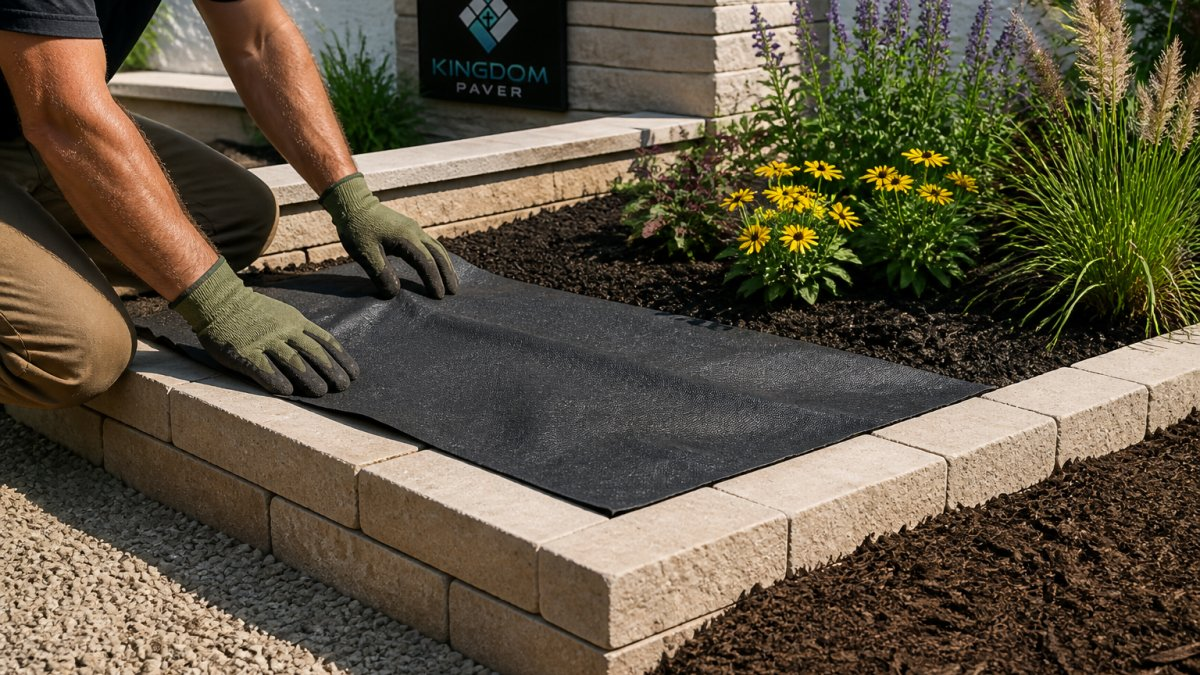
Install fabric before you add soil.
Water flow matters. Woven landscape fabric lets water and air through, keeping soil healthy.
One drawback: fabric can tear over time, especially when you pull weeds or dig near the edges.
Fabric is not right for every raised flower bed.
If you are building a raised bed over lawn, lay cardboard first, then landscape fabric, then soil. The cardboard smothers grass and breaks down, while the fabric adds a longer-lasting barrier against weed roots.

Best Mulch for Flower Beds to Prevent Weeds
Mulch is your second line of defense against weeds. According to the University of Minnesota Extension’s guidance on controlling weeds in home gardens, almost any kind of mulch can help suppress weeds in raised beds.
A 2-3 inch layer of mulch blocks sunlight from reaching weed seeds. Without light, seeds can’t germinate. Mulch also keeps soil cooler and retains moisture, which benefits your flowers.
Wood chips and shredded bark
Wood chips are affordable, widely available, break down slowly over 2-3 years, and add organic matter to your soil.
Fresh wood chips can tie up nitrogen as they break down, so aged chips are better for flower beds. Let them sit in a pile for a few months before using them, or buy pre-aged chips.
Avoid dyed mulches with unknown chemical additives. Natural wood chips work just as well and are safer for your plants.
Shredded leaves and compost
Shredded leaves are free if you have trees. Shred them with a mower and layer them 3-4 inches deep; they decompose within one season, so refresh annually, but add valuable organic matter as they break down.
Compost works similarly: a layer of finished compost suppresses weeds while feeding your flowers, though it breaks down faster than wood chips, top it off each spring.
Newspaper and cardboard layers
Use plain newsprint without glossy inserts. Cardboard should be plain, with no tape or staples. Wet everything down so it stays in place and decomposes evenly.
This two-layer approach (cardboard plus mulch) provides excellent weed suppression. As the cardboard breaks down, it becomes part of your soil.
Different mulch materials offer varying benefits for suppressing weeds in raised flower beds.
| Mulch Type | Depth | Lifespan | Best For |
|---|---|---|---|
| Wood chips | 2-3 inches | 2-3 years | Affordable, widely available option |
| Shredded leaves | 3-4 inches | 1 season | Free material, adds organic matter |
| Compost | 2-3 inches | Less than wood chips | Feeds flowers while suppressing weeds |
| Newspaper and cardboard | 4-6 sheets plus 2-3 inches mulch | Varies | Extra barrier layer under mulch |
How to Kill Weeds in Flower Beds Safely
Despite your best prevention efforts, some weeds will appear. Remove them quickly before they flower and set seed; hand-pulling works best for established flower beds because it avoids harming nearby plants.
Hand-pulling and shallow cultivation
Pull weeds by hand when soil is moist, grabbing them at the base and pulling firmly to get the entire root system out, broken roots left in soil will regrow.
For shallow-rooted weeds, use a shallow hoe or cultivator, working gently around your flowers to avoid damaging their roots, then replace mulch over the bare spot.
Timing matters. Pull weeds when they’re small. A weed that’s been growing for weeks has a stronger root system and spreads more seeds.
Smothering and mulch refreshment
If weeds break through your mulch, smother them: add cardboard or newspaper directly over the weeds, cover with fresh mulch, and they’ll die under the layers within 2-3 weeks.
Refresh your mulch each spring. A fresh 2-3 inch layer covers any small weeds that emerged over winter and blocks new seeds from germinating.
Preventing Weeds Between Raised Beds
Weeds love the pathways between your beds as much as the beds themselves, and walkway weeds creep into flower beds, spreading seeds and roots.
The fastest fix is cardboard and mulch. Lay cardboard across walkways, overlapping pieces by 6 inches. Cover with 3-4 inches of wood chips or shredded leaves. This creates a weed-free path while defining your garden layout.
For permanent pathways, consider hardscaping. If you’re building a larger garden space, professional installation ensures proper drainage and longevity. Get in touch with Kingdom Paver to discuss hardscape options that complement your raised beds and enhance your outdoor space.
Seasonal Maintenance Calendar for Weed Prevention
Staying ahead of weeds in raised flower beds means following a seasonal rhythm, since raised beds need specific checks that in-ground gardens do not. Adjust this calendar for your local frost dates and climate.
Late winter to early spring: Bed inspection and barrier repair
Before the growing season starts, inspect your raised beds. Remove winter mulch that has compacted or matted, and pull weeds that germinated during mild spells. Check landscape fabric or cardboard barriers for tears, especially along the inside edges of the bed frame. Patch holes with overlapping fabric or fresh plain cardboard.
Top up mulch to a full 2-3 inches. This is the single most effective step for blocking the spring flush of weed seeds. If you use compost as mulch, apply it now so it has time to settle before planting. Avoid working wet soil, wait until it crumbles in your hand rather than forming a ball.
Spring: Planting and early weed patrol
As you plant flowers, keep mulch pulled back a few inches from stems to prevent rot and give seedlings room. After planting, refresh mulch around new additions. Check beds weekly for weed seedlings; pull them while small and the soil is moist.
If you are installing new raised beds this season, prepare the ground beneath them first: clear existing vegetation, then decide whether to use an open-bottom or solid-base design.
Summer: Monitoring and mid-season mulch refresh
Summer heat accelerates weed growth and breaks down mulch faster. Check beds weekly and pull weeds before they flower and set seed. Watch the bed edges and seams between beds, common entry points for windblown seeds and creeping roots.
By mid-summer, a 3-inch mulch layer may have settled to 1-2 inches. Top it up to maintain coverage. Keep mulch away from plant stems and crowns to avoid moisture-related disease.
Fall: Reset for next season
Fall is the ideal time to upgrade your weed prevention system. Remove summer mulch if it is matted or diseased, and check barriers again. Replace damaged fabric or cardboard before winter. Add a fresh layer of aged mulch or shredded leaves to suppress winter weeds and protect soil.
Plant fall flowers into weed-free beds, and consider dense planting or ground covers to shade soil and crowd out weeds the following spring.
Winter: Planning and prevention
In cold-winter areas, weed growth slows but does not stop entirely. Check beds after storms for blown-in seeds or debris. Use the dormant season to plan next year’s mulch and barrier supplies, and to review which weeds were most troublesome so you can target them early.
A consistent seasonal routine, spring repair, summer patrol, fall reset, prevents most weed problems in raised flower beds. The goal is to block seeds from germinating and to remove any that do before they set seed.
Why Weeds Return and How to Stop Them
Weeds are persistent, even with perfect prevention, they can reappear. Understanding why helps you stop them.
Weed seeds travel on wind, in water, and on your shoes, landing in your beds constantly.
Some weeds are perennial, growing back from roots left in the soil.
Compacted mulch loses effectiveness.
The solution is consistency. Pull weeds weekly. Refresh mulch seasonally. Check fabric for damage.
Get Professional Help for Your Raised Bed Installation
Building multiple raised beds with proper weed prevention takes time and planning.
At Kingdom Paver, we specialize in hardscape and landscape design for outdoor living spaces.
Whether you need flowerbed and landscape hardscaping installation or want to discuss how raised beds fit into your larger outdoor space, we’re here to help.
Contact Kingdom Paver today to discuss your raised bed project and get a custom plan that keeps weeds out and your flowers thriving.
Frequently Asked Questions
How do I prevent weeds in raised flower beds from coming back?
Start with soil preparation: remove existing grass and weeds, then add a landscape fabric or cardboard barrier. Layer 2 to 3 inches of mulch (wood chips, shredded leaves, or compost) on top to suppress weed seeds from germinating. According to the University of Minnesota Extension, almost any kind of mulch can help control weeds in raised beds. Refresh mulch annually and hand-pull any seedlings that emerge before they spread.
What is the best mulch for flower beds to prevent weeds?
Wood chips and shredded bark break down slowly and provide lasting suppression. Shredded leaves and compost add organic matter while blocking sunlight. Cardboard and newspaper work as temporary barriers under mulch. The University of Florida IFAS notes that dense-growing ground covers also suppress weed growth and reduce water and fertilizer needs. Choose based on your budget and how long you want the barrier to last before replacement.
Should I use landscape fabric under raised garden beds?
Landscape fabric works well under raised beds to block weed seeds, especially on open-bottom constructions placed over grass. It allows water and nutrients to penetrate while preventing weeds from pushing through. However, the Royal Horticultural Society recommends combining fabric with mulch for best results. Some gardeners prefer cardboard instead because it eventually breaks down and adds organic matter to the soil.
How do I stop weeds from growing between raised beds?
Cover walkways and gaps between beds with cardboard, landscape fabric, or 3 to 4 inches of mulch or wood chips. Keep these areas clear of organic debris that could harbor weed seeds. The University of Minnesota Extension advises not letting weeds flower and set seed anywhere on your property, including in gaps between beds, because weeds can still invade even a controlled garden space.


